

High Atlas Mountains: A Journey Through Morocco’s Majestic Range
1. Why the High Atlas Belongs on Your Bucket List
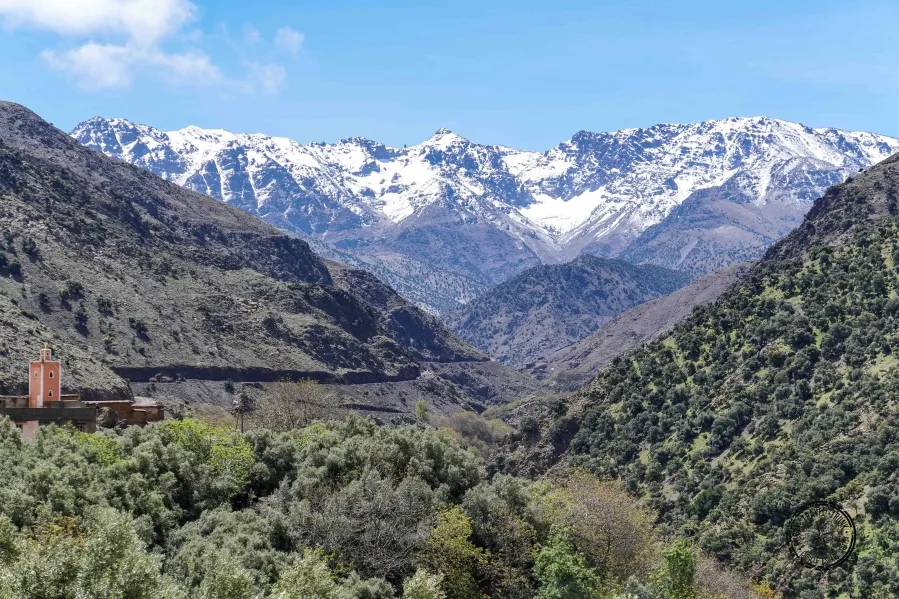
Nestled against the sapphire horizon, the High Atlas is the spine of Morocco, a rugged chain that rises from the coastal plains to the snow‑capped summit of Toubkal (4 167 m) – the highest peak in North Africa. It’s a place where ancient Berber villages cling to terraced hillsides, where the scent of thyme and rosemary trails through cedar forests, and where you can swap stories with shepherds who still herd goats the old‑fashioned way.
“If you ever wanted to feel the pulse of Morocco’s soul, you’ll find it in the mist that rolls over the Atlas at dawn.” – a traveler’s note from a recent trek.
2. Planning Your Atlas Adventure
| What you need | Tips & Tricks |
|---|---|
| Physical preparation | Start a light‑to‑moderate cardio routine (hiking, jogging, cycling) 4‑6 weeks before departure. The main passes sit at 2 500‑3 000 m, so a bit of altitude acclimatization helps. |
| Gear | Breathable layers, waterproof hiking boots, a warm hat, and a reusable water bottle (the tap is safe in most villages). |
| Timing | April‑June and September‑October give pleasant temperatures (15‑25 °C) and clear skies. July‑August can be scorching in the valleys. |
| Guides | Hiring a local Berber guide enriches the experience (they know hidden water sources, wildflower meadows, and the best spots for a cup of mint tea). |
| Permits | No formal permits are needed for standard trekking routes, but if you aim for Toubkal’s summit you’ll be asked to register at the Imlil office – a quick formality. |
Planning an Unforgettable Morocco Adventure?
Experience our award-winning private Sahara desert tours, licensed local Berber guides & customized itineraries from Marrakech, Fes & Casablanca.
3. The Classic Route – Imlil to Toubkal
- Day 1 – Arrival in Imlil
- Settle into a family‑run rifug (guesthouse) and soak up the mountain view.
- Enjoy a home‑cooked tagine with locally‑raised lamb.
- Day 2 – Imlil → Tizi n Test (2 260 m)
- A gentle 5 km ascent through olive groves.
- Stop at the Berber market (souk) for fresh apricots.
- Day 3 – Tizi n Test → Toubkal Base Camp (3 300 m)
- Steeper climbs, dramatic rock formations, and the occasional wild ibex.
- Day 4 – Summit Day – Toubkal (4 167 m)
- Dawn departure, a 2 hour push to the summit.
- Experience the surreal sunrise over the Sahara’s edge on the far side.
- Day 5 – Descend to Imlil
- Celebrate with a traditional couscous dinner and a night of Berber music.
Outbound high‑authority reference: The summit’s elevation and route details are verified by the UNESCO World Heritage site on the Atlas Mountains and National Geographic’s Atlas guide.
4. Hidden Gems Worth a Detour
| Destination | What makes it special |
|---|---|
| Aït Ben Haddou | A UNESCO‑listed ksar (fortified village) that feels like stepping onto a film set. |
| Oukaimeden Ski Resort (winter) | One of Africa’s few ski slopes – a surprise for adventurous travelers. |
| Marrakech‑Kasbah Road | Drive through Atlas cedar forests en route to the desert; cherry‑blossom‑like Arbutus trees line the path. |
| M’Goun Canyon | Often called the “Grand Canyon of Africa,” perfect for canyon‑hiking and photography. |
5. Culinary Delights Along the Trail
- Berber Tagine – slow‑cooked goat with preserved lemons and olives.
- Ras el‑Hanout Spice Mix – a fragrant blend you’ll smell wafting from every kitchen hearth.
- Mint Tea – served in ornate glasses, always with a sugar cube “on top of the world.”
Ask your guide to teach you the ritual of pouring the tea from a height, a graceful gesture that reflects hospitality and skill.
6. Eco‑Travel Tips – Preserve the Atlas for Future Generations
- Leave no trace. Pack out all plastic waste; the villages rely on clean water sources that can be fouled easily.
- Respect local customs. Dress modestly (long sleeves, trousers) when entering mosques or home spaces.
- Support community initiatives. Choose family‑run guesthouses and co‑operatives; they channel tourism income directly to the villages.
Outbound authority: The World Wildlife Fund (WWF) Atlas Mountains page outlines best practices for responsible trekking.
7. A Personal Moment – The Evening When the Stars Came Out
I still remember the night we spent under a blanket of stars at Toubkal Base Camp. The sky was a deep indigo, peppered with shooting stars that seemed to glide just above the snow‑capped peaks. A local shepherd, his beard dusted with frost, shared a story of the ancient Amazigh goddess Tanit, who, according to legend, watches over travelers who respect the mountains. We sipped sweet tea, the fire crackling, and felt the profound connection between past and present – something no guidebook can capture fully.
8. Frequently Asked Questions
Q: Is the trek suitable for beginners?
A: Yes, if you start from Imlil and stick to the standard route. The ascent is gradual, and you can hire a guide for extra assurance.
Q: What language do the locals speak?
A: Tamazight (Berber) is the native tongue; most villagers also speak Arabic and some basic French. Learning a few Berber greetings (e.g., “Azul” – hello) goes a long way.
Q: Do I need travel insurance?
A: Absolutely. Choose a policy that covers mountain trekking and altitude‑related incidents.
9. Ready to Embark?
From the moment you step onto the ancient pathways, the High Atlas will surprise, challenge, and reward you. Whether you’re chasing sunrise over Toubkal, tasting an heirloom tagine, or sharing a cup of mint tea with a Berber host, you’ll return with stories that feel genuinely yours.