
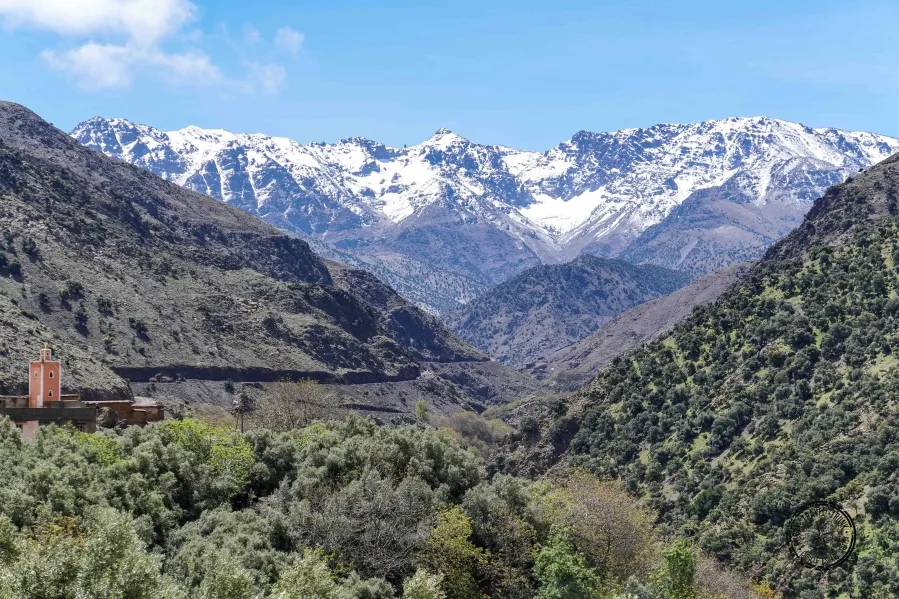
The High Atlas Mountains form one of the most prominent and iconic natural features of Morocco. These mountains ascend quickly from the flat plains and desert areas while acting as Morocco’s natural geographical support system against the Sahara Desert. The High Atlas Mountains welcome explorers and tourists who seek to tour this area featuring ancient attractions along with dramatic landscapes and vibrant traditions. This piece examines the geography combined with cultural value and provides details about all the possible things visitors can do when exploring this magnificent mountain range.
Geography of the High Atlas Mountains
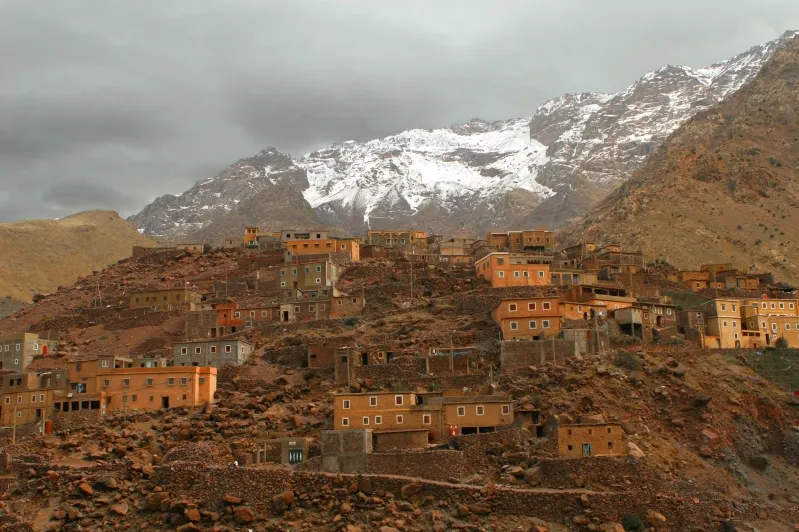
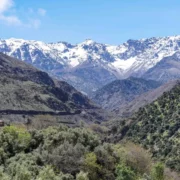
The High Atlas Mountains extend throughout the central and southwestern regions of Morocco as they cover approximately 1,500 kilometers. These tremendous mountains function as a divider between the Atlantic coastal plains and the Sahara Desert. Mount Toubkal stands as the highest peak in North Africa overshadowing all other mountains in the region with its elevation reaching 4,167 meters. due to its vast size and elevation the High Atlas region earns its name as the backbone of Morocco.
Explore Morocco with these top desert and city tours :
- 4 Day Desert Tour Marrakech to Fes
- 4 Days Marrakech to Fes Desert Tour
- 2 days to zagora from marrakesh
Major Peaks and Highest Points
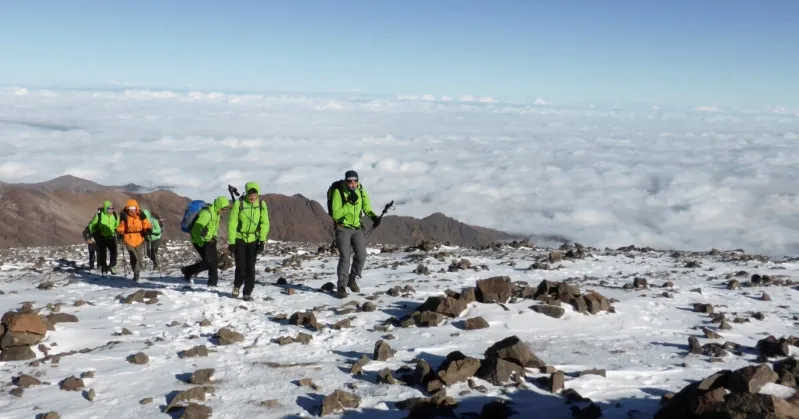
Aside from Toubkal, the High Atlas includes several other impressive peaks such as:
- Mount Ouanoukrim: Standing at 4,089 meters.
- Jebel Aklim: With an elevation of 3,847 meters.
- Mount Mgoun: Reaching a height of 4,068 meters.
These towering peaks provide ample opportunities for mountain climbing and trekking.
Atlas Mountain Range vs. Anti-Atlas Mountain
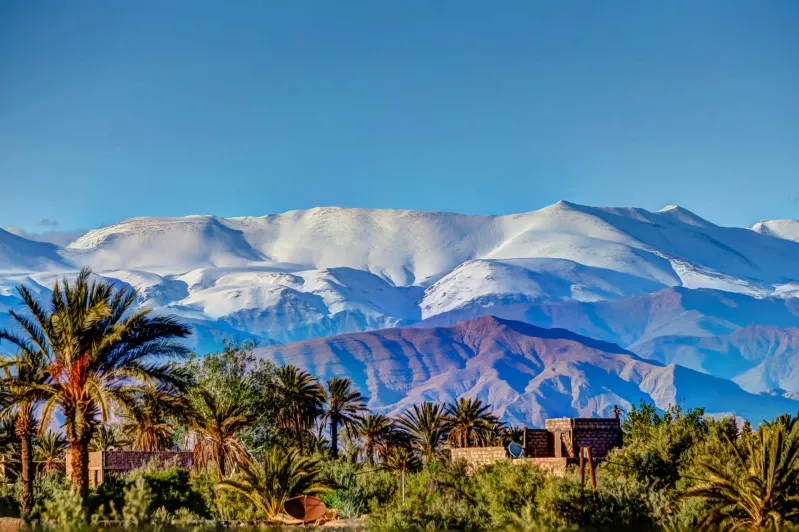
The Anti-Atlas Mountains exist south of High Atlas yet remain of different height because they reside at lower elevations. The High Atlas stands apart from its southern counterpart the Anti-Atlas through its abundant valleys and forests that surround its rivers because its terrain differs from the Anti-Atlas’ arid rocky surface.
History of the Atlas Mountains
Throughout geological history the Atlas Mountains have developed a remarkable geological journey. Multiple millions of years of tectonic plate interactions between Africa and Eurasia produced these mountains that evolved from that geological process. Geological richness in the region positions it as essential to human and natural history of Morocco.
Throughout history the Atlas Mountains have stood as a natural divider which separates various parts of Morocco. History records the Berbers as inhabiting these mountains since thousands of years because these mountains remain foundational to their existence. The challenging landscape of the region shields both cultural practices and traditional way of life of its inhabitants who protect their customs through this protection.
The People of the High Atlas Mountains
The High Atlas Mountains serve as the ancestral dwelling of the native Amazigh population known as Berber people. For many decades the local people have inhabited the area keeping ancient customs that stretch back throughout history. The population lives a lifestyle based on farming alongside animal farming together with trade activities since many settlements exist at elevated locations in the mountains.
Berber Culture and Heritage
The people of Berber have depended on the mountains to survive because their traditions are naturally linked to this geographic region. Widely spoken among Berbers is their language Tachelhit while they maintain their reputation for precise designs in their handicrafts such as weaving and pottery. People visiting the area have the opportunity to accept authentic Berber hospitality and observe the historic activities of Imlil and Asni villages.
Embark on an Adventure Through the High Atlas Mountains
The High Atlas Mountains present worldwide top opportunities for trekking and hiking experiences to outdoor adventure enthusiasts. Different difficulty levels of trails can be found in the mountains which range from short day hikes to lengthy treks that lead into deep regions of the mountain range.
Hiking in the Atlas Mountains
Numerous hikers choose to climb Mount Toubkal to reach its summit through one of the most revered hiking routes. Visitors can enjoy relaxed hikes between Imlil and Azzaden Valley through which they can see stunning panoramas and visit authentic Berber settlements.
Trekking Routes and Guided Tours
The High Atlas offers thoroughly organized trekking experiences through its guided tours. Local Berber guides lead most tours that share essential information about the history and cultural aspects along with the natural attractions in this area.
Morocco Desert Trips and Its Connection to the High Atlas
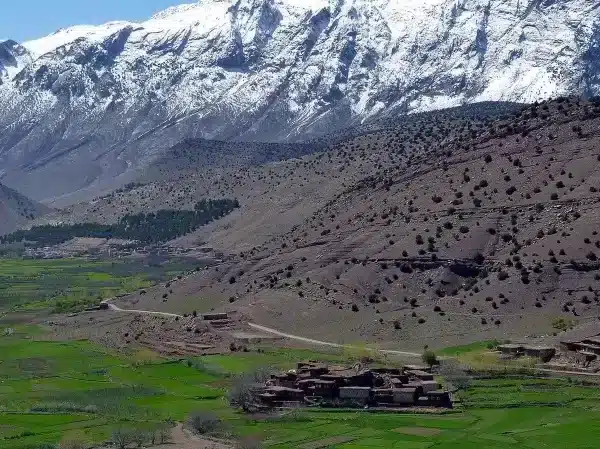
The High Atlas Mountains provide both picturesque mountain landscapes along with dramatic desert territory in Morocco. The standard itinerary for Morocco desert tours starts from Marrakech allowing visitors to reach High Atlas areas first before proceeding to the Sahara Desert. The desert displays extensive dune fields which stand in remarkable opposition to High Atlas winter mountain ranges that adorn snow caps.
The Desert and Mountain Contrast
Visitors to Morocco can enjoy the vast desert beauty with the rugged mountain landscapes during their desert trips since these adventures unite both environments. Those who explore the desert territory following mountain treks experience an exceptional blend of thrilling exploration and peaceful serenity.
Flora and Fauna of the High Atlas
The High Atlas Mountains feature numerous types of wildlife alongside their many plant species. Different parts of the region possess alpine meadows and dense forests and arid rocky slopes that make up diverse ecosystems for multiple species populations.
Unique Plant Species and Ecosystems
The higher elevation Mountain territory hosts plants that include junipers and lavenders and thymes and the lower slopes are dominated by pine and oak forests. A number of specific floral species flourish in this area where the Algerian Iris stands out as a rare species.
Animals and Birds of the Region
Barbary sheep together with wild boar and golden eagles find a habitat in the High Atlas Mountains. Birdwatchers along with nature enthusiasts find refuge in the area because of its isolation from human development.
Cultural Significance of the Atlas Mountains
High Atlas Mountains comprise much more than physical terrain because they contain cultural heritage of remarkable value. Berber traditional music includes Ahwach and Chaabi which show the people’s strong bond to nature plus local architecture uses stone and mud to build houses as proof of their capability against harsh environments.
Folklore, Traditions, and Music
Tourists who explore the High Atlas regions will encounter traditional mountain music because traditional songs play across the mountain valleys. Generational storytelling about myths help to build and strengthen the cultural foundation of the region.
FAQs about the High Atlas Mountains
What geography defines the High Atlas Mountains and what region contains them?
As the primary mountainous region of central Morocco the High Atlas extends between the Atlantic coast city of Marrakech until reaching Algeria in the eastern border. The monumental range functions as a geographic barrier which separates Morocco’s desert territory from its coastal regions along with the Sahara to the south. The High Atlas stretches across more than 1500 kilometers within North Africa as it houses its highest point Mount Toubkal at 4167 meters above sea level making it Morocco’s tallest peak. Tourists identify the High Atlas region through its craggy landscapes together with its scenic valleys along with its indigenous Berber settlements that rest on mountain slopes.
When should people plan their visit to the High Atlas Mountain region?
Your decision regarding the best moment to visit the High Atlas Mountains depends on what kind of experience you want to have. Trekking enthusiasts should choose the period from March to May and September to November to experience the best outdoor conditions. Visitors can enjoy perfect hiking conditions because the temperature ranges from pleasant to moderate during this period. High elevations in the region stay cool throughout summer months when low areas develop high temperatures from June to August. Snowfall during winter months makes skiing and winter trekking around Mount Toubkal a popular activity during the period of December to February. Visitors seeking empty spaces should choose to travel during spring or fall for their Moroccan mountain adventure.
Desert Exploration: Connecting the Atlas Mountains to the Sahara
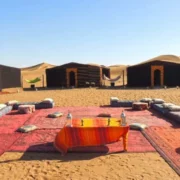
After trekking through the High Atlas valleys or climbing Mount Toubkal, many travelers continue south toward the vast desert landscapes that define southern Morocco. Carefully organized morocco desert tours often begin by crossing the High Atlas passes, where dramatic mountain scenery slowly transforms into palm-filled oasis valleys and eventually the golden dunes of the Sahara.
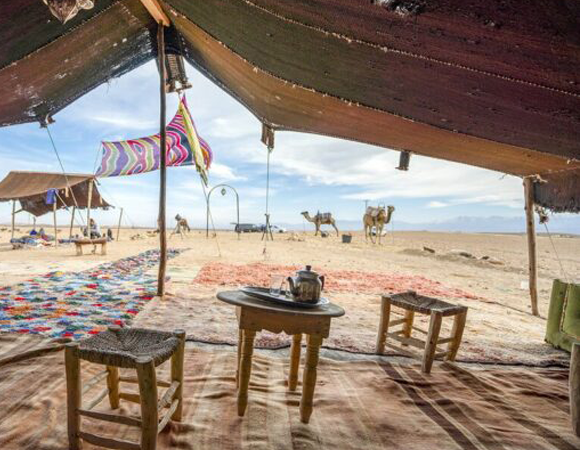
Because Marrakech sits near the northern gateway of the Atlas Mountains, many visitors start their journey there before heading deeper into Morocco’s southern regions. Well-planned marrakech desert trips frequently combine scenic mountain drives, visits to traditional kasbahs, and unforgettable desert experiences such as camel trekking and nights in Saharan camps.
For travelers seeking a structured itinerary with logistical support, joining a professionally guided desert tour Morocco can simplify transportation, accommodation, and route planning while allowing visitors to focus on the landscapes, culture, and local traditions of Morocco’s desert regions.
Private & Luxury Travel Options for Mountain and Desert Routes
Some travelers prefer exploring Morocco at their own pace rather than following fixed group itineraries. Carefully curated private morocco desert tours allow visitors to customize their route between the Atlas Mountains, desert valleys, and remote Saharan camps while enjoying more flexibility during their journey.
For couples, photographers, or small groups looking for deeper cultural experiences, professionally organized private desert tours Morocco often include experienced guides who share insights into Berber culture, mountain ecosystems, and the historical trade routes that once crossed the Sahara.
Travelers interested in exploring Morocco beyond the mountains and desert can also consider comprehensive private tours in morocco that combine imperial cities, coastal towns, and mountain villages into a single itinerary designed for comfort and cultural immersion.
Similarly, flexible private Morocco tours allow visitors to adapt their travel pace, select unique accommodations, and include cultural experiences such as visiting Berber communities or exploring historic kasbah routes across southern Morocco.
Day Excursions from Marrakech to the Atlas Mountains
For travelers who want to experience the Atlas Mountains without committing to multi-day treks, shorter excursions are an excellent option. Many visitors add scenic day trips from marrakech to their itinerary, exploring destinations such as the Ourika Valley, traditional Berber villages, and mountain landscapes located just a few hours from the city.
These shorter adventures provide a glimpse into rural Moroccan life while offering impressive mountain scenery and cultural encounters. Well-organized marrakech day trips typically include comfortable transportation, knowledgeable local guides, and carefully selected stops that highlight the natural beauty and traditions of the Atlas region.
How does Mount Toubkal stand as the primary summit in the High Atlas range?
Mount Toubkal represents the highest summit of the Moroccan High Atlas Mountains and acts as a vital natural and cultural landmark in the entire country. Visitors worldwide choose 4,167-meter (13,671-foot) Mount Toubkal as their trekking and mountaineering destination. The mountain stands as a Moroccan symbol of ballpark strength while presenting breathtaking valley and desert and mountain neighbor sights. Climbing Toubkal requires both physical and mental determination but gives climbers the chance to reach the summit and see breathtaking views across the entire area. region. The climb is suitable for most trekkers with a good level of fitness and can be done in two or three days.
How can I explore the High Atlas Mountains?
There are numerous ways to explore the High Atlas Mountains, depending on your preferences for adventure and comfort. The most popular activities include:
- Trekking and Hiking: The region is famous for its trekking routes, with varying levels of difficulty. Some of the best-known treks include the Toubkal Summit Trek and the Azzaden Valley hike. Many routes can be accessed from villages such as Imlil, Asni, and Ouarzazate, and can be explored with local guides who provide insight into the landscape and Berber culture.
- Guided Tours: If you prefer a more structured experience, consider taking a guided tour. Many local tour operators offer day trips and multi-day treks across the High Atlas, including mountain biking tours, camel treks, and 4×4 jeep tours. A guide can enhance your experience by sharing local knowledge about the history, wildlife, and traditions of the area.
- Cultural Exploration: Visiting the traditional Berber villages nestled in the mountains is another fantastic way to experience the region. The villages offer a glimpse into the lifestyle and culture of the Berber people, with opportunities to enjoy local cuisine, stay in traditional guesthouses, and learn about their heritage and customs.
Are there any unique wildlife species in the High Atlas Mountains?
Yes, the High Atlas Mountains are home to a rich variety of flora and fauna, making it a great destination for nature lovers and wildlife enthusiasts. The region’s diverse ecosystems support many species, including:
- Barbary Apes: These rare primates are native to the Atlas Mountains and can be found in the higher, wooded regions. They are one of the last remaining populations of Barbary apes in the wild.
- Golden Eagles: The High Atlas provides a perfect habitat for these majestic birds, with their keen eyesight and soaring flight. Birdwatchers often visit the region to spot golden eagles and other bird species such as the Chough.
- Wild Boar and Barbary Sheep: The Barbary sheep is native to the Atlas Mountains and can be spotted in the rocky, steep terrain. Other mammals include wild boar, foxes, and jackals.
- Plants: The mountain range is also home to various plant species, such as the Algerian Iris, juniper trees, thyme, and lavender, which are used in local herbal remedies and perfumes.
What elements from the High Atlas Mountains serve as cultural determinants for Moroccan society?
The High Atlas Mountains deeply affect Moroccan culture by influencing the customs of the Berber population which has resided in these mountains for thousands of years. The Berbers structure their traditional way of life through their natural environment because they practice herding livestock and farm as essential daily activities. The mountains supply timber together with water along with land suitable for agriculture that permitted the Berber people to survive throughout the generations.
The cultural heritage of the High Atlas shows vivid expression through its traditional folklore while displaying its abundant music and synthetic art alongside its beautiful architecture. Many ancient Berber traditions have been preserved by their people who attained international recognition for their pottery-making as well as weaving textiles and crafting jewelry. The area is noted for its native Berber musical expressions that frequently portray the formidable attractiveness of the mountains.
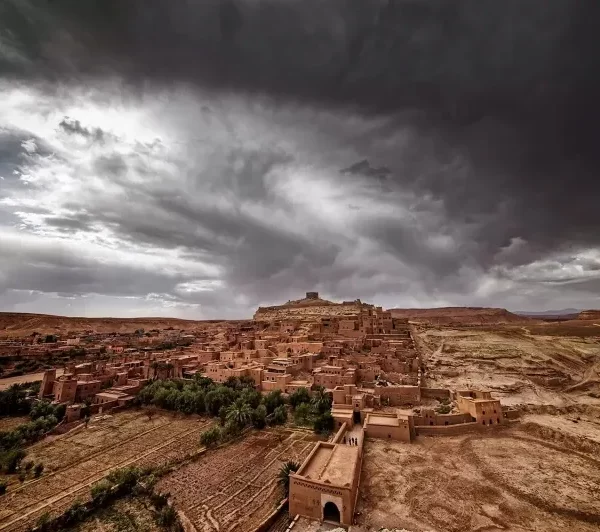
The area has influenced Moroccan architecture so builders constructed many Berber communities with native stone and appropriate local materials that merge with the surrounding nature. Traditional mud-brick homes together with fortresses stand in existence in Imlil and Asni villages.
Are you interested in experiencing both the High Atlas Mountains and the desert during one trip?
The greatest travel attraction in Morocco lies in the possibility of exploring both mountainous High Atlas region and the Sahara Desert during a single trip. The route from Marrakech desert tours makes a stop in the High Atlas region which lets visitors experience the vibrant valleys alongside the extensive desert dunes.
Most tour companies organize adventure packages which enable people to explore both the Atlas Mountains and the Sahara Desert during their Morocco desert tour. The journey begins with mountain trekking visits to Berber villages which flows into a southern route toward the desert. Tourists who prioritize experiencing both regions routinely select desert exploration opportunities which include rides on camels combined with sandboarding activities and desert overnight stays through camps. You can enjoy the distinct beauty of Morocco by experiencing its mountainous natural areas together with its desert spaces.